Every fall, schools welcome students back with pep rallies, spirit weeks, homecoming celebrations, and other traditions designed to create a sense of community. For many schools, these experiences serve an important purpose. Beneath these traditions, however, is a deeper developmental question: What adolescents are truly seeking is not simply school spirit. They are seeking belonging, purpose, responsibility, and a meaningful place within a community.
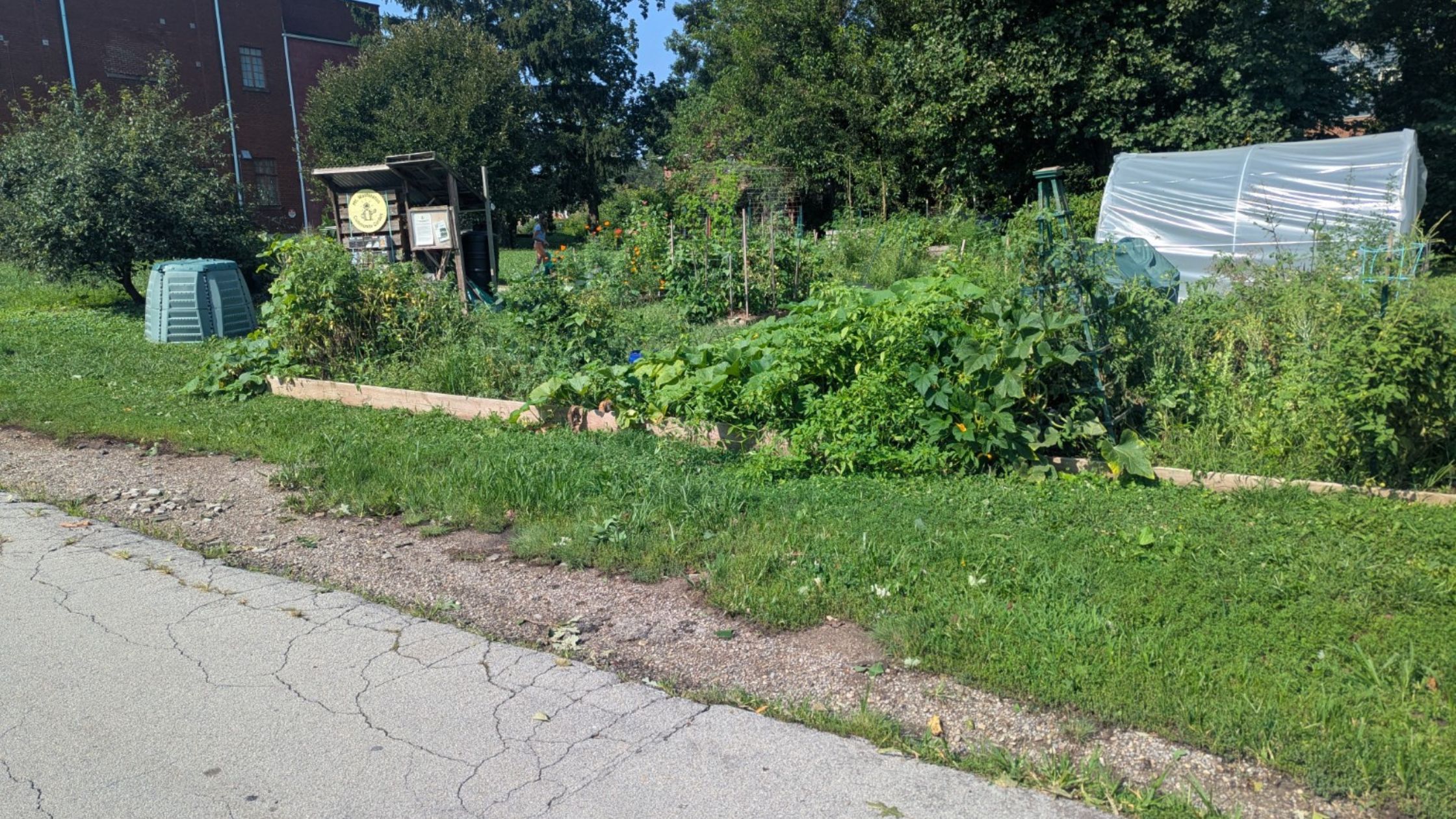
Maria Montessori turned her attention to adolescence later in her life, recognizing it as a pivotal stage of human development. She saw adolescence not simply as a continuation of childhood but as a passage toward adulthood, a time when young people must be trusted to contribute, create, and take their first real steps into the world beyond school walls. Built upon Montessori’s Erdkinder vision, our adolescent community at Meridian Micro Farm is designed around meaningful work rather than symbolic participation. Students help steward a micro farm, contribute to community partnerships, solve authentic problems, and experience the satisfaction that comes from knowing their efforts make a real difference. Their sense of belonging grows not primarily because they wear the same colors or attend the same events, but because the community depends on them.
This does not diminish the value that school traditions can have. They often serve an important purpose, particularly in the large schools that have become the norm in America, where building a shared identity across hundreds or even thousands of students is a significant challenge. The Montessori philosophy offers another path rooted in human development. Rather than building belonging through shared symbols and mascots, Erdkinder seeks to cultivate belonging through shared responsibility. Adolescents discover who they are by becoming capable, trusted contributors within a real community.
Our experience has reinforced what Montessori proposed: young people become more confident when adults trust them with meaningful work. They develop resilience by solving real problems, independence by making real decisions, and purpose by seeing how their contributions affect others. These experiences prepare them not only for graduation, but for adulthood itself.
Like many of the decisions we make at Meridian, this reflects a broader philosophy. Educational decisions should begin with children’s development rather than long-standing traditions alone. When we understand what adolescents are truly seeking, we can design communities that help them find belonging in ways that endure long after school is over.
If you’d like to learn more about Montessori’s vision for adolescence and the thinking behind Meridian Micro Farm, read our article, “Why Erdkinder: A Living Model for the Modern Adolescent.”