As the school year comes to a close, many families begin thinking about what summer will hold. There are camps to consider, programs to enroll in, and a growing sense that these months should be used intentionally. Alongside that, the end of the year often brings performances, celebrations, and final projects, moments designed to showcase what children have done and learned.
These experiences can be meaningful. They offer opportunities for children to share their work and mark transitions. At the same time, they reflect an adult-centered rhythm, one that emphasizes completion, visibility, and outcomes. Over time, we’ve observed that when these moments are highly structured or performance-driven, they can shift the focus away from the child’s experience and toward the expectations of an audience.
At Meridian, our approach has been shaped by years of observing children in real learning environments. We still value gathering and celebration, but we aim to create experiences that are less performative and more reflective of the community itself. This often means involving students in decisions, allowing events to take shape gradually, and balancing the natural desire families have to see and celebrate their children with the importance of keeping those experiences grounded in the child’s perspective.
When the structure of the school year loosens, children return more fully to their own rhythms. They move between activity and rest, follow interests without interruption, and spend longer periods of time in self-directed work. This kind of experience can feel unfamiliar in a culture that values productivity and measurable progress, but it plays an important role in development. Independence, creativity, and sustained attention are strengthened when children have time to initiate, to explore, and to experience boredom without immediate intervention.
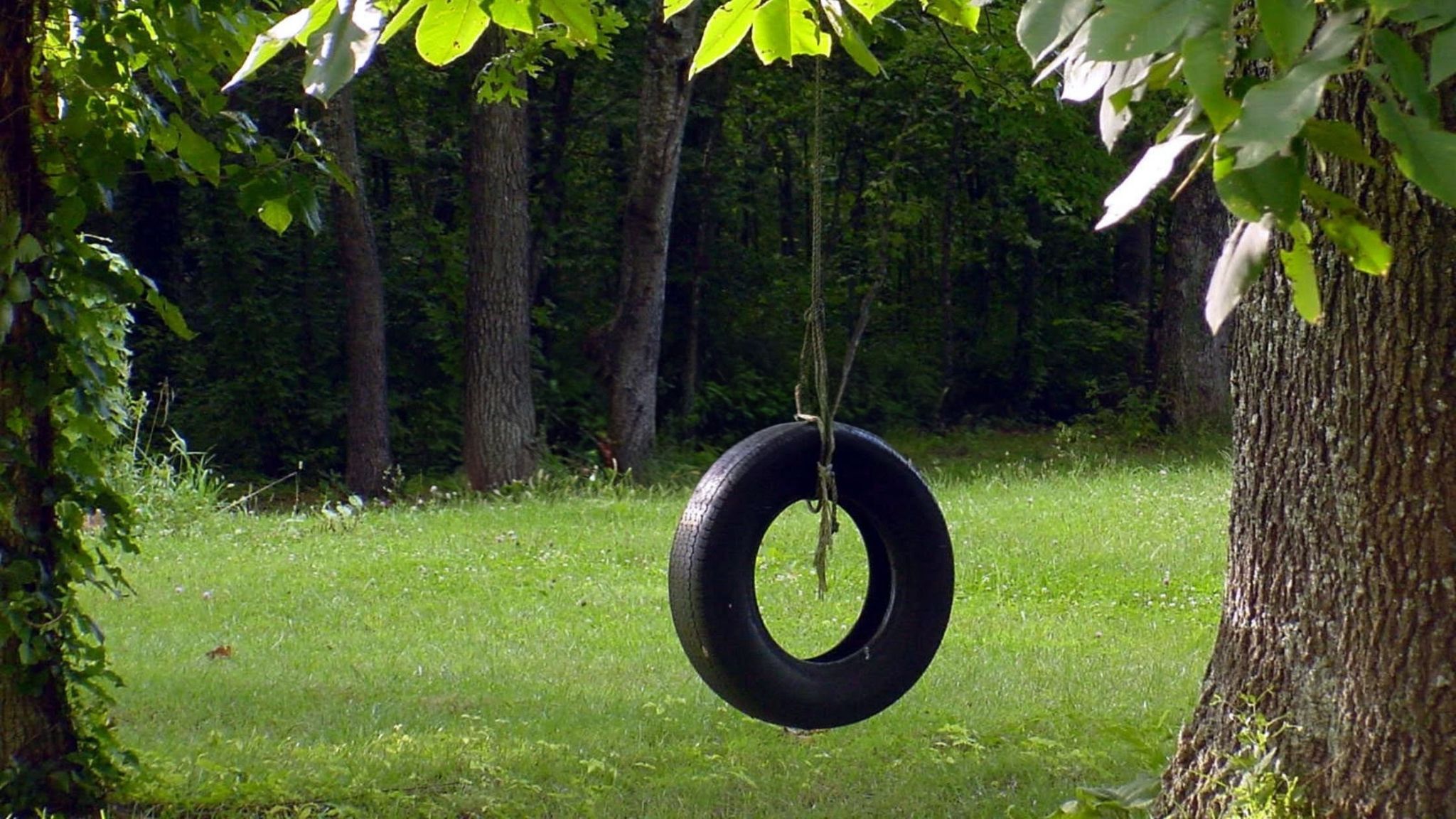
A child-led summer doesn’t mean the absence of guidance. It means that adults remain present and attentive without directing every moment. It might include camps or shared experiences, but without the pressure for every activity to produce something visible. It might look like long stretches of outdoor play, ongoing projects that unfold over time, or quiet moments spent reading, building, drawing, or simply thinking.
Families approach summer in different ways. Some seek structure and consistency. Others prefer more open time. There is no single right approach. What matters is recognizing that development does not pause outside of school, and that not all meaningful growth is designed, measured, or displayed. When children are given space to lead their own experiences, they often return to the school year with a deeper sense of independence, renewed curiosity, and a stronger internal drive to learn.
What stays with children over time is not the performance or the product, but the experience of being seen, trusted, and part of a community that values their voice. When childhood is given space to unfold in this way, learning becomes something deeper than completion or display. It becomes a process rooted in connection, independence, and meaning.
If you’re curious how this child-led approach shows up in daily school life at Meridian, you can explore our lab schools here.