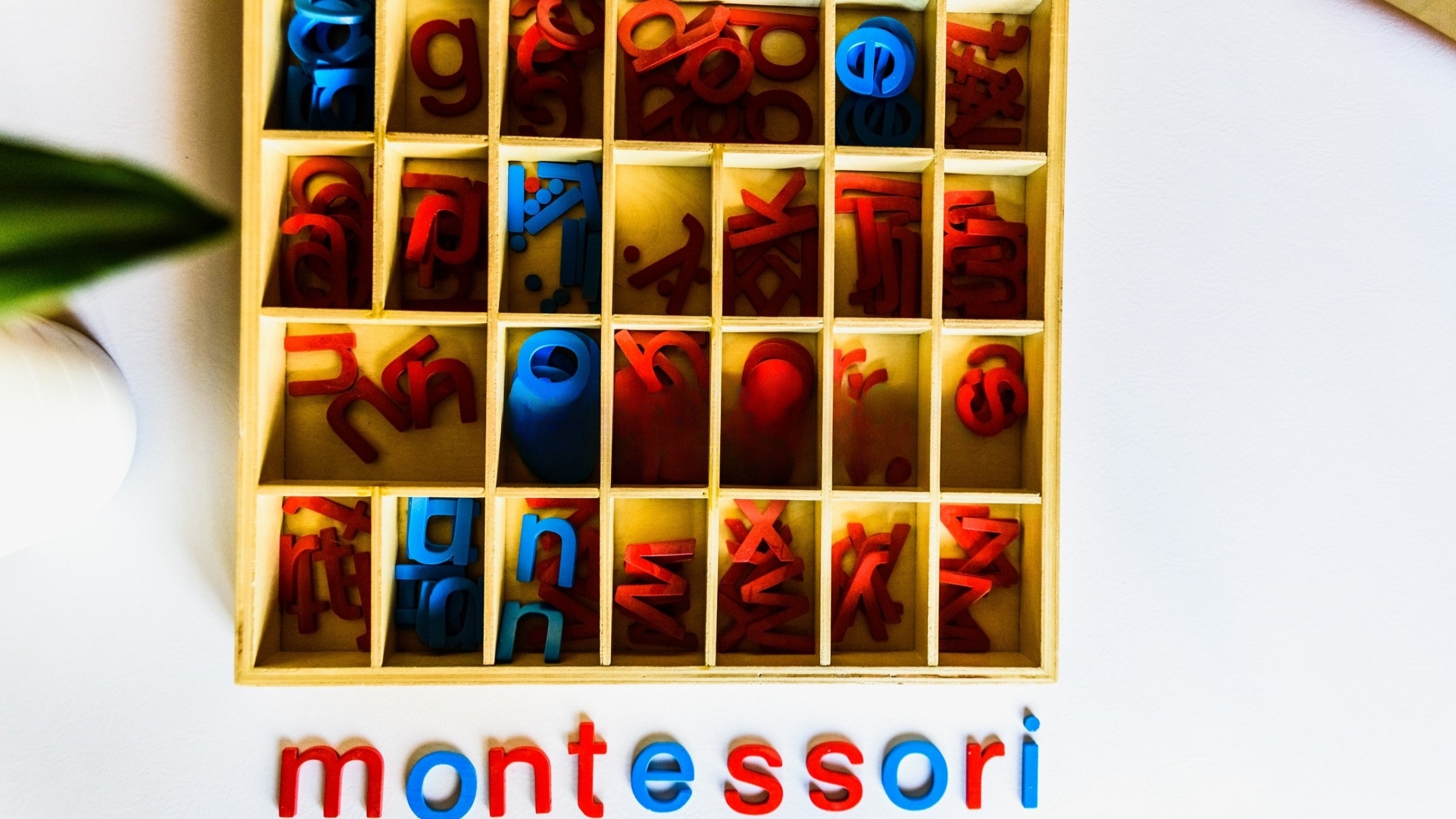
Montessori education has become increasingly familiar to families, with programs offered in public, private, religious, and independent school settings. Yet one important distinction is often overlooked: the Montessori name is not trademarked, and schools using it are not required to follow one universal set of standards. While Montessori accreditation and recognition organizations provide additional measures of accountability, neither the Montessori name nor accreditation alone guarantees how the philosophy is practiced in a school’s daily life.
Dr. Maria Montessori developed an educational approach grounded in careful observation of children and an understanding of human development. Its success depends on more than specialized materials, mixed-age classrooms, or a particular curriculum. The prepared environment, the preparation of the adults, and the relationship between the two are essential to creating conditions in which children can develop independence, concentration, and a genuine love of learning.
In recent years, many Montessori schools have faced significant challenges in sustaining their educational approach. Public Montessori programs often operate within district requirements that can limit their ability to implement the philosophy as intended. Private schools face different pressures, including financial sustainability and enrollment demands. Across both settings, well-trained Montessori guides can find themselves overwhelmed by challenging student behaviors, staffing limitations, and competing expectations. A Montessori credential provides an important foundation, but embodying the philosophy requires more than formal training.
School leadership plays an equally important role. Administrators make decisions about staffing, schedules, classroom expectations, and the resources available to teachers. When those decisions are made without a strong understanding of Montessori’s developmental philosophy, the daily experience of children can gradually move away from the principles the school intends to uphold. Even experienced Montessori educators benefit from leadership that understands and supports their work.
For parents, this means looking beyond a school’s name, asking thoughtful questions, and observing the classroom during a typical school day. An open house may offer a favorable first impression, but it cannot fully reveal how a school practices Montessori. Observing children engaged in their everyday work and understanding how the school’s guides and leadership approach child development offer a more meaningful picture of whether the philosophy is truly guiding the educational experience.
At Meridian Learning, we’ve spent nearly two decades thoughtfully examining how Montessori can remain both developmentally grounded and responsive to contemporary children and families. Our approach reflects years of observation, adaptation, and deliberate refinement, preserving the philosophy’s essential principles while exploring new ways to put them into practice.
To learn more about how we’ve evolved Montessori for the twenty-first century, explore The Montessori Philosophy, including our approach at Meridian Learning.