Our innovative, integrative preschool & kindergarten program is guided by a flexible, personalized curriculum combining social-emotional and experiential learning with a strong academic foundation. Our core learning includes:
Practical Life exercises: aid in the development of order, concentration, coordination and independence; these works focus on the care of self, others and the environment, as well as the development of fine and gross motor skills; examples include transfer works, sponging, tying and table washing
Peace Education, Character Development and Mindfulness: the education of the whole child is the foundation of the Montessori philosophy. Activities related to peace education, character development and mindfulness are integrated throughout our curriculum but remain an essential part of Practical Life. In addition to daily lessons, we participate in short- and long-term projects which emphasize community building and peacemaking. The social-emotional health of our learning community and the community beyond is at the forefront of all that we do, at all times
 Cultural Studies:
Science, History and Geography: aid in the discovery of scientific, geographical and historical concepts; examples include experiments, animal matching cards and puzzle maps
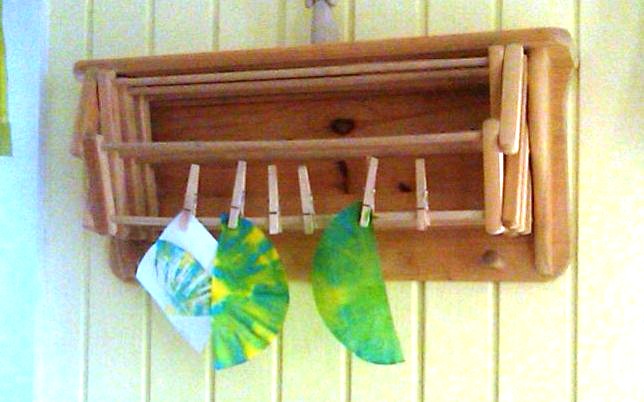
Art, Music, Drama and Dance/Movement: aid in self-discovery, developing an appreciation for the arts, celebrating diversity and establishing a sense of community
Foreign Languages: children are introduced to basic vocabulary and conversation through songs, books and games that frequently correspond to geography studies
Field Trips: field trips are an extension of cultural studies
Sensorial works: aid in the development of the senses; examples include works focusing on visual and auditory discrimination
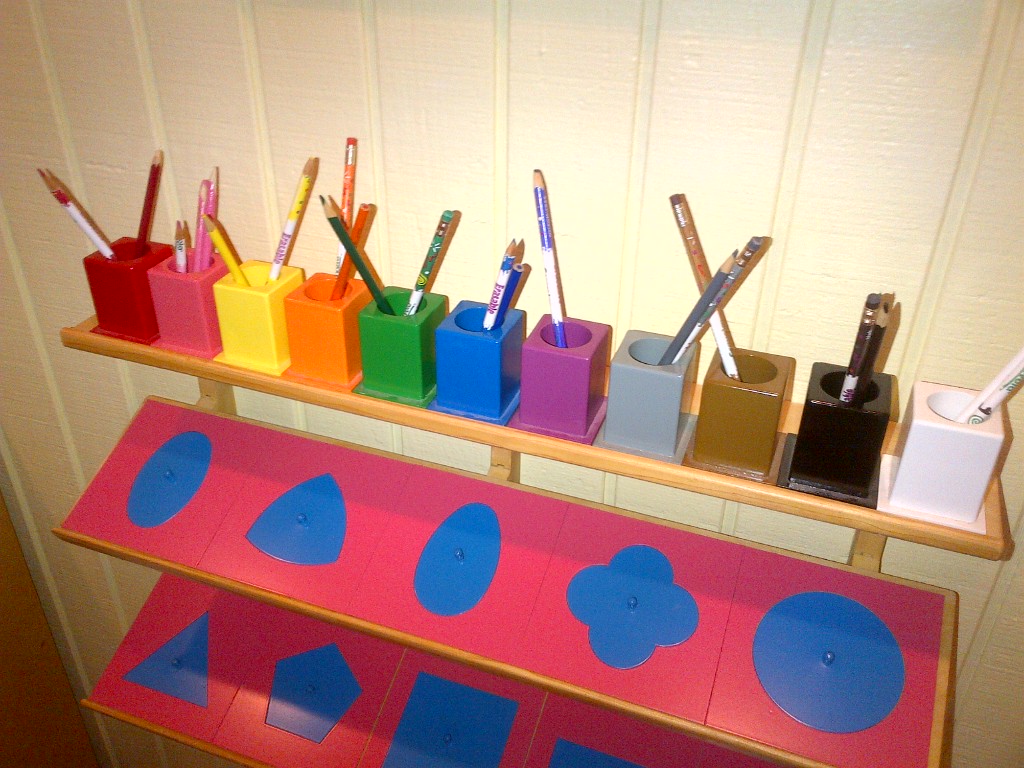 Language activities: aid in the development of written/verbal communication and listening/comprehension skills; examples include sandpaper letters (sound/symbol awareness), the Movable Alphabet and metal insets
Math activities: aid in the development of numerical concepts; examples include works in number recognition, one-to-one correspondence and operations
Technology: we utilize technology in a meaningful way to track student interests, goals and progress, and to facilitate parent communication and collaborative 21st century learning experiences
Indoor Gardening: our urban indoor gardening space is an extension of the classroom, presenting numerous opportunities to engage in purposeful nature-driven activities. It includes opportunities for children to grow their own vegetables and prepare them for snack.
Extended Enrichment: our extended enrichment program preserves our commitment to whole child well-being while meeting the needs of busy families. It includes group lunch brought from home, meditative time and experiential learning focused within the collaborative SoBro Arts community of which Indianapolis Parent Child Center is a part.
Our preschool & kindergarten studio is a free choice learning environment, which means that children are given the freedom to choose works that appeal to their interests and development; this is an essential part of the Montessori Method. When necessary, the guide/teacher will suggest an activity for a child who needs assistance. We present both individual and small group lessons as determined by readiness and mastery of previous works. Rather than testing, we use careful, methodical observation as means of assessment. During the final year in our program, parents may request that their children begin work plans in addition to free choice activities. This prepares children for more advanced academic work and enables those who will be attending more traditional programs to transition smoothly.